General
Exactly How to Make Sand in Resin Art The material you choos…
Exactly How to Make Sand in Resin Art
The material you choose ought to be epoxy-based, as this type of resin uses a crystal-clear finish and is a lot more easy to use for newbies. Resin typically consists of two parts: the material itself and a setting agent. Think about making use of a clear material for this task if you desire the sand to be the program’s celebrity.
For those new to the craft, the inquiry develops: just how do you efficiently incorporate sand into resin? Before delving right into the process, it’s worth understanding why sand is a compelling enhancement to material art. The material you choose should be epoxy-based, as this kind of resin offers a crystal-clear finish and is more user-friendly for novices. Material generally consists of 2 elements: the material itself and a solidifying agent. Mixing crude and great sand creates varied appearances within the resin, which can enhance the realism of the last item.
Exactly How to Make Epoxy Ocean Water: A Step-by-Step Guide …
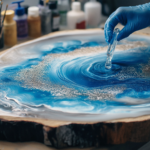
In DIY, epoxy material has actually ended up being a go-to tool for creating spectacular, durable artwork and projects. Among its several uses, one of the most aesthetically striking applications is crafting sea water scenes. Making use of material’s openness and capability to hold colors, you can replicate the mesmerizing appearance of waves, sea depths, and beach foam. Whether you’re enhancing a furniture, developing a beachy wall surface decoration, or including measurement to woodworking, discovering exactly how to make epoxy sea water is both an art kind and a fun craft activity.
In this guide, we’ll give a detailed walkthrough on exactly how to accomplish professional-looking sea water effects with epoxy resin. Every step will certainly be plainly described, from collecting materials to applying wave patterns. By the time you’re done, you’ll have a gorgeous development and a much deeper understanding of the process that can inspire future tasks. Let’s get started on your innovative journey into epoxy ocean art!
What You’ll Need to Make Epoxy Ocean Water
Prior to you begin your project, it’s vital to have all the needed materials handy. Having every little thing ready will conserve you time and guarantee the material doesn’t begin healing while you’re clambering for materials. The important product, naturally, is epoxy material, however to bring the ocean result to life, you’ll likewise require colored pigments or material dyes. Blue and white are the primaries but feel free to add greens for an additional reasonable layer. Disposable blending sticks and mugs will certainly make clean-up simpler and stop cross-contamination in between colors.
A warmth weapon or blowtorch is additionally essential for eliminating bubbles and controling the material to create waves. Bear in mind to cover your workspace with drop cloths or papers to capture any kind of spills. Because epoxy material can be dangerous if inhaled, proper security equipment like gloves, an apron, and a respirator is very advised. If you add attractive components like sand, shells, or rocks, have them ready and nearby to location prior to the material solidifies.
Step-by-Step Guide to Making Epoxy Ocean Water
| Step | Description | |||||||||||||||||||||||||||||||||||||||||||||||||||||||||||||||||||||||||||||||||||||||||||||||||||||||||||||||||||||||||||||||
| 1. Prepare Your Workspace | Establish a clean, dust-free office. Ensure your job surface is level. Use drop cloths and protective gear (handwear covers, apron, respirator). | |||||||||||||||||||||||||||||||||||||||||||||||||||||||||||||||||||||||||||||||||||||||||||||||||||||||||||||||||||||||||||||||
| 2. Mix Your Epoxy Resin | Integrate epoxy resin and hardener in the required amounts, usually 1:1 or 2:1.
Epoxy material consists of 2 parts: resin and hardener, and these have to be mixed at a precise ratio to make certain correct healing. Using warm to the resin causes it to slim and move, permitting you to shape and guide the white resin to create wave patterns. Epoxy resin commonly takes 24-48 hours to solidify totally, though this can differ based on temperature, moisture, and the certain brand of resin you’re making use of. In this guide, we’ll provide a comprehensive walkthrough on just how to achieve professional-looking ocean water effects with epoxy material. The essential material, of course, is epoxy material, however to bring the sea effect to life, you’ll also require colored pigments or resin dyes. Epoxy material consists of 2 parts: material and hardener, and these should be mixed at a specific ratio to make certain proper treating. Applying warm to the material triggers it to slim and move, permitting you to form and direct the white resin to create wave patterns. Epoxy material usually takes 24-48 hours to solidify completely, though this can differ based on temperature level, moisture, and the certain brand name of material you’re utilizing. How to find Up with Captions for Your Resin Art Crafting the…How to find Up with Captions for Your Resin Art Crafting the ideal caption for your resin art can boost your work, involve your target market, and enhance your overall creative existence. Furthermore, subtitles can involve the target market by motivating them to reflect or communicate on the art, promoting a deeper link and encouraging dialogue. Creating captivating captions for your resin art is important to showcasing your job and attaching with your audience. By comprehending your target market, using engaging and detailed language, and maximizing for SEO, you can craft inscriptions that boost the discussion of your art and drive greater involvement. Try these techniques, discover different methods, and see how your captions take your resin art to the next degree. Epoxy Resin Do’s and Do n’ts: The Ultimate Guide for Beginne…Epoxy material, a functional material prized for its resilience and gloss, has actually come to be a favored in DIY circles. Whether creating special tabletops, magnificent fashion jewelry pieces, or utilizing them for more industrial purposes, understanding the art of epoxy material use needs focus to information. Dealing with epoxy resin, however, is not without its troubles. Novices frequently need aid with issues like bubbles, improper curing, or even toxic fumes. In this overview, we’ll outline all the necessary do’s and do n’ts for epoxy resin success, assisting you stay clear of typical mistakes and achieve remarkable results with every job. What is Epoxy Resin?Prior to diving right into the do’s and do n’ts, it’s vital to recognize what epoxy resin in fact is. Epoxy material is a synthetic material that, when integrated with a hardener, goes through a chemical reaction to generate a rigid, plastic-like finish. It’s understood for its shiny coating and chemical, heat, and physical wear resistance.
This table arranges the essential do’s and do n’ts, making it easy to refer to as you deal with epoxy resin. Do Properly Measure the Resin and Hardener An epoxy material task’s success is built on exact measurements. The material and hardener must be combined in the accurate ratio specified by the maker. If the mixture is somewhat off, the material might not cure correctly, leading to a sticky or brittle outcome. Accuracy devices like electronic scales or finished measuring mugs are important for righting the ratio. With them, you can maintain the strength and appearance of your finished product. Constantly put in the time to verify your dimensions to stay clear of unneeded mistakes that can spoil your job Do Mix Thoroughly and Carefully Complete mixing is one of the most crucial actions in working with epoxy material. Poorly mixed material can lead to concerns like irregular curing, weak spots, or tacky areas. Use a silicone spatula or a blending stick, and make sure you scrape the sides and base of the blending container. Throughout the treating procedure, epoxy material creates fumes that can be harmful if inhaled in large amounts. Ventilation is crucial to staying secure while dealing with resin, particularly in enclosed areas. Preferably, it would certainly help if you worked outdoors or in a well-ventilated interior space with plenty of airflow. Opening up home windows, using followers, and even using a respirator for added defense are important, specifically if you’re dealing with huge quantities of material. These safety measures will certainly aid guarantee you’re not taking in hazardous chemicals, maintaining your office comfortable and secure. Do Use the Right Tools The success of your epoxy material project can greatly depend on the devices you utilize. High-grade, dedicated devices such as silicone spatulas, plastic blending containers, warmth weapons, and protective gear (like nitrile gloves) are crucial for attaining professional results. Silicone devices are optimal since they are simple to clean, and resin removes them once treated. Devices like heat weapons or lanterns will certainly help stand out bubbles that create during the curing process, making certain a smooth finish. Buying the appropriate devices is one of the most straightforward techniques to improve the high quality of your job. Do Prepare Your Surface Surface prep work is crucial to staying clear of flaws in your last project. If you’re functioning with wood, a seal layer might be required to stop bubbles from forming as air escapes from the permeable surface area. Cleaning and prepping the surface area in advance will certainly remove lots of prospective issues that can arise during the curing process. Tiny bubbles are common in epoxy resin, yet they can mar an otherwise perfect finish if left without treatment. A heat gun or a lantern can remove these bubbles promptly and successfully. Delicately passing the warm resource over the material’s surface, you cause the bubbles to pop and increase, leaving a smooth, glass-like coating. Take care not to overheat the material, as this can trigger it to heal as well rapid or perhaps blister. This step is crucial for tasks where clarity and aesthetics are critical. Epoxy Resin Do n’ts: Avoiding Common MistakesDon’t Mix in a Hurry Hurrying the mixing process can present unwanted air bubbles right into the material, which can be difficult to get rid of later on. In addition, if the resin and hardener aren’t thoroughly incorporated, parts of the mix might not treat appropriately. This can cause ugly spots or unequal hardness in the end product. It’s vital to take your time and mix gradually and completely. Mixing as well strongly develops problems, so persistence is important. A well-mixed resin is the structure of an effective project, so take your time at this phase. The added work will certainly settle. Do Not Forget to Use Personal Protective Equipment (PPE) Even though epoxy material is considered reasonably risk-free when made use of appropriately, it’s still crucial to protect yourself. If revealed to it repetitively or in large quantities, resin can create skin irritability, sensitive reactions, or breathing issues. Handwear covers, long sleeves, and safety goggles can help shield your skin from unexpected get in touch with, while a respirator mask will defend against inhaling fumes. Functioning safely ensures you can continue enjoying your material tasks for several years with no health and wellness dangers. Straightforward preventative measures can conserve you from possible pain or a lot more serious health issue. Don’t Work in a Humid Environment Humidity is among one of the most usual elements negatively affecting epoxy resin tasks. High moisture can disrupt the resin’s healing procedure, resulting in over cast finishes or sticky surfaces that never ever completely set. This problem is particularly frustrating in regions with normally raised moisture, like coastal zones or throughout durations of hefty rainfall. Work in a controlled atmosphere with humidity degrees listed below 50% to make certain the very best outcomes. Making use of a dehumidifier in your work area is an easy way to take care of wetness levels and stay clear of the negative effects of humidity on your resin tasks. Do Not Pour Too Thickly All at Once Thick layers of epoxy resin create excessive heat as they heal, which can lead to cracking, unequal treating, or also yellowing of the material. To avoid this, always pour the material into thin layers and permit each one to completely heal before adding the next. This slow-moving, layered approach will certainly result in a much more robust, extra even last item. The pot life of epoxy material describes the home window of time in which the material continues to be convenient prior to it starts to set. Depending on the resin kind, this can range from 20 minutes to an hour. It’s essential to know the pot life and plan your task appropriately. If you try to utilize a material that has already begun to set, you’ll wind up with a lumpy, uneven application. To avoid this, blend smaller batches if essential and keep track of time. Reliable time administration will certainly aid you take advantage of the resin’s pot life. Don’t Store Resin in Extreme Temperatures Temperature level variations can cause the epoxy resin to become thick, challenging to deal with, and even render it pointless with time. Storing material in severe warmth can create the chemical elements to damage down, while icy environments may create it to crystallize. When you apply the material and mix, both situations will make it challenging to accomplish an appropriate remedy. Preferably, the resin must be stored in a relaxed, dry atmosphere at a stable space temperature. Ample storage is often neglected, however it’s critical to keeping the material’s top quality and ensuring regular results with every use. Reward Tips for Advanced Epoxy Resin ProjectsTrying out Pigments and Dyes For more advanced projects, take into consideration try out pigments, dyes, or mica powders to include shade and deepness to your resin creations. These additives can transform a basic resin project right into a stunning, multi-dimensional piece of art. Nevertheless, be cautious when including pigments– too much can influence the treating procedure, so start with small amounts and gradually accumulate the shade. The beauty of epoxy resin hinges on its flexibility, and including an imaginative touch through shade can boost your job to an entire brand-new level. Try Adding Embellishments Embedding items like glitter, dried blossoms, and even small trinkets right into your resin can develop interesting effects. This is particularly preferred in precious jewelry, where resin encapsulates decorative or personal items. Ensure that the items you’re installing are moisture-free and completely dry, as any kind of trapped water can hinder the healing procedure. Arrange your embellishments carefully prior to putting the material, as it’s hard to rearrange them as soon as the material begins to set. With a bit of imagination, the possibilities for embellishments are unlimited. Work with Silicone Molds Silicone mold and mildews are perfect for developing consistent resin items such as coasters, keychains, or fashion jewelry. Unlike plastic mold and mildews, silicone molds launch healed resin swiftly and without damaging the mold. Make sure to cleanse your molds extensively before each usage, as dust or particles can stick to the surface of the resin. Exact measurement makes sure proper healing and prevents sticky or brittle results. Just how can I avoid bubbles in epoxy resin? Mix slowly and extensively, after that utilize a warmth gun or lantern to get rid of bubbles after putting. What should I do if my material does not cure properly? Examine your dimensions and mixing procedure. Wrong proportions or insufficient mixing can cause curing problems. Why should I use PPE while working with epoxy resin? PPE, such as gloves and masks, secure you from skin irritation and inhaling hazardous fumes. Just how does moisture influence epoxy material? High humidity can cause gloomy finishes and inappropriate treating. Operate in environments with low humidity levels. Resources
VerdictMastering the art of dealing with epoxy resin includes adhering to the ideal actions and staying clear of usual errors. With correct prep work, patience, and a willingness to find out, you can accomplish remarkable results every single time. By sticking to these do’s and do n’ts, you’ll set yourself up for success and enjoy the numerous possibilities that epoxy resin offers. Whether you’re a seasoned artist or a novice, epoxy resin is a material that rewards attention to detail. With these suggestions, you’re well on your method to developing spectacular, professional-grade projects. The material and hardener must be incorporated in the exact proportion specified by the maker. Thick layers of epoxy resin produce too much warm as they cure, which can lead to fracturing, uneven healing, or even yellowing of the resin. The pot life of epoxy resin refers to the home window of time in which the material continues to be practical before it starts to harden. Prepare your embellishments thoroughly prior to pouring the resin, as it’s tough to reposition them when the material starts to set. Unlike plastic molds, silicone molds launch healed resin swiftly and without harming the mold and mildew. Do It Yourself Resin Petri Dish: A Creative Guide to Craftin…Do It Yourself Resin Petri Dish: A Creative Guide to Crafting Beautiful Resin Art One of the newest and most fascinating trends is crafting resin petri dishes. The magic happens when you add alcohol inks, viewing them bloom right into complex layouts as they connect with the material. Procedure the resin and hardener based on the advised proportion provided on the product packaging, generally either 1:1 or 2:1, depending on the certain brand you’re making use of. If these percentages are off, the material may not treat appropriately, leading to a sticky or soft end item. Soft or sticky material typically indicates a mixing issue– either the resin and hardener were not measured appropriately or stirred long enough. Do It Yourself Resin Napkin Holder: A Step-by-Step Guide for…In crafting, resin has ended up being a preferred material for DIY jobs, integrating creativity with capability. From jewelry to home style, material provides adaptability and sturdiness, making it perfect for a variety of tasks. One such job is creating a DIY resin paper napkin holder— a trendy and personalized enhancement to any kind of kitchen or dining room. In this overview, we’ll cover everything from products to step-by-step directions for making your very own material paper napkin holder. Whether you’re an experienced resin musician or just starting out and looking for an enjoyable weekend break project, this guide supplies something for every person. Join me as we explore the artistic realm of resin crafting to create a napkin owner that’s not just functional yet also aesthetically magnificent. What is a Napkin Holder?A paper napkin owner is a small, practical item usually used to organize and present paper napkins on a dining table or cooking area counter top. It is developed to maintain paper napkins neatly piled and easily obtainable throughout meals while avoiding them from scattering or getting disorganized. Paper napkin owners come in numerous styles, shapes, and materials, from straightforward to utilitarian to decorative and fancy. Napkin owners offer a double feature: they not just maintain paper napkins easily accessible but also enhance the table’s total look, adding a trendy element to the eating location. Why Choose Resin for Your DIY Napkin Holder?Before we enter the actions, it’s vital to recognize why resin is such a preferred selection for DIY jobs. Material is a flexible medium for various layouts, colors, and coatings. Below are a couple of reasons that material is an outstanding material for crafting a paper napkin holder: Durability: Resin solidifies right into an inflexible, glass-like product that can endure daily use. A resin paper napkin owner will certainly last for several years without revealing indications of wear or tear. Personalization: One of one of the most exciting aspects of working with resin is the capacity to personalize your project. You can install tiny products, include pigments, or use radiance to make your paper napkin holder distinct. Visual Appeal: Resin jobs frequently generate a shiny, sleek look that can resemble glass or ceramic. This premium look can elevate also straightforward layouts, making your paper napkin holder an elegant enhancement to your home. Water Resistance: Since paper napkin owners are regularly put on cooking area tables or countertops, water resistance is a crucial attribute. The water-resistant nature of material assurances that your paper napkin owner will certainly continue to be in excellent condition, also when it enters into contact with dampness. Products Needed to Make a DIY Resin Napkin HolderBefore starting your task, gather the following materials. Having every little thing at hand will make sure that your crafting process is smooth and satisfying. Products List:
Detailed Instructions for Making a Resin Napkin HolderNow that you’ve collected your products, it’s time to begin. Creating a material paper napkin owner is simpler than you might think, specifically complying with these step-by-step directions. Step 1: Prepare Your Workspace Material crafting can be messy, so preparing your work space before you start is important. Area a plastic ground cloth or old newspapers on the flooring to catch any potential drips. Guarantee your workspace is well-ventilated, as resin can release fumes while treating. Put on safety handwear covers to protect your skin from the resin blend. Step 2: Measure and Mix the Resin The majority of epoxy resin sets need you to mix the material with a hardener in a specific proportion, usually 1:1. Procedure an equivalent amount of material and hardener right into a non reusable mug, after that make use of a stir stay with mix them thoroughly. Stir the blend for 2-3 mins, guaranteeing no bubbles or touches. Because incorrect mixing can result in a soft or sticky napkin owner that doesn’t completely cure, this is important. Currently is the time if you’re including dyes or pigments. Put your preferred amount of pigment into the material combination and mix until the shade is uniformly distributed. Step 3: Add Decorative Elements (Optional) Adding attractive elements to your project is one of one of the most amazing components of material crafting. If you wish to embed things like blossoms, radiance, or tiny beauties into your napkin holder, currently’s the time. You can position them directly right into the mold and mildew or layer them into the resin as you pour it. Remember that some things might float in the material, so you may require to adjust their setting prior to it sets. Tip 4: Pour the Resin in the Mold. When your resin is extensively combined and you’ve included any type of attractive aspects, it’s time to pour the material into the paper napkin holder mold and mildew. Progressively put the resin right into the mold and mildew, ensuring it fills up equally and efficiently. If you’re dealing with a complex mold, pour the material in stages to stop air bubbles from obtaining trapped. Use a mixing adhere to pop any type of bubbles that rise to the surface delicately. You can additionally gently pass a warm gun or a torch over the surface of the material, which aids eliminate bubbles. Tip 5: Let the Resin Cure The healing procedure is where the magic takes place! Depending on the producer’s instructions, enable the material to treat for a minimum of 24-48 hours. See to it your mold is put on a flat surface, and prevent moving it while the resin cures to stop any kind of bending or disproportion. Hold your horses during this action– hurrying the curing process can mess up all your hard work. Action 6: Remove the Napkin Holder from the Mold After the material has actually totally set, gently eliminate the paper napkin owner from the mold and mildew. The silicone mold and mildew must peel off away easily, revealing your glossy, completed item. If you discover any type of harsh sides, you can use fine-grit sandpaper to smooth them out. Step 7: Apply a Resin Sealer (Optional) Apply a resin sealer to give your paper napkin owner an additional glossy finish. This step isn’t necessary, however it’s highly encouraged, primarily if your task will come into call with water or moisture. Just brush a slim layer of material sealant over the napkin holder’s surface and let it cure for one more 24 hours. This will certainly shield your task and enhance its sturdiness. Imaginative Ideas for Your DIY Resin Napkin HolderNow that you know how to make a main resin paper napkin owner, let’s explore some innovative variants. Material enables endless customization, so don’t be afraid to obtain innovative with your layout. Right here are a few concepts to motivate your next job: Marble Effect: Use two or even more pigments to produce a swirling marble impact. Put the shades into the mold in separate sections, after that make use of a toothpick to swirl them together for a sophisticated appearance gently. Floral Embeds: Press dried out flowers or leaves into the resin to produce a nature-inspired paper napkin holder. The flowers will be preserved in the transparent material, including a touch of sophistication to your layout. Beach-Themed Holder: Use sand, little seashells, and ocean-colored pigments to develop a napkin holder that brings the coastline into your dining-room. The resin’s glassy coating simulates the appearance of water, making this an excellent summertime job. Geode-Inspired Design: Use metallic pigments or shine to recreate the look of a geode. This lavish layout is perfect for those who enjoy a bit of glimmer in their home decoration. Individualized Holder: Add a personal touch by installing initials, names, or small ornaments that have sentimental value. This is an excellent concept for making customized gifts for friends and family. Tips for Success When Working with ResinResin crafting can be difficult initially, however with technique, you’ll quickly master the strategy. Below are a few ideas to help guarantee your project ends up flawlessly: Measure Accurately: Always determine the material and hardener in the proper proportion. Unreliable measurements can result in a napkin holder that only partially remedies. Ensure a dust-free work area: Dust bits can arrive on the surface area of your healing resin, causing flaws and defects in the coating. Attempt to operate in a tidy, dust-free area. Utilize a Level Surface: Ensure your mold and mildew is positioned level throughout the treating process to prevent disproportion in your end product. Hold your horses: Resin takes some time to cure, so resist need to touch or relocate your job before it’s totally set. Material Cost
Trick Takeaways
Frequently asked questionsWhat is a resin paper napkin owner? A material napkin owner is a decorative and functional product crafted from epoxy material. It is used to arrange paper napkins on tables or countertops. Why utilize material for a paper napkin holder? Resin is long lasting, customizable, waterproof, and provides a glossy, high-end surface, making it optimal for practical yet fashionable DIY tasks. What materials are required for a DIY material paper napkin holder? Epoxy resin, hardener, paper napkin holder mold, mixing mugs, stirring sticks, gloves, pigments, decorative elements, sandpaper, and resin sealant. The length of time does it require to make a resin paper napkin owner? Depending on the brand and conditions, the material needs concerning 24-48 hours to cure fully. Can I personalize my material napkin holder? You can install flowers, glitter, or various other attractive products to create an one-of-a-kind layout. Resources
Final thoughtsMaking your own resin napkin owner is a satisfying task that blends creative thinking with usefulness, providing you an opportunity to craft something distinct and helpful. Whether you’re a skilled DIY fanatic or simply beginning, resin provides a flexible tool to bring your styles to life. This task will certainly lead to a valuable item for your home and allow you to reveal your imaginative vision. From selecting design and colors accents to individualizing the mold and mildew, each stage enables you to craft an one-of-a-kind item that personifies your style. The procedure is uncomplicated, including basic actions like mixing material, including ornamental items, pouring it into a mold and mildew, and letting it heal. As soon as finished, you’ll have a sturdy, waterproof napkin holder that will certainly improve the appearances of your dining location. Success depends upon extensive preparation, perseverance throughout the curing process, and an eager focus on detail during the style phase. Furthermore, crafting your paper napkin holder can be cost-effective, as the products are inexpensive and commonly can be found in kits. With a little effort, you’ll have a practical, stylish item that you can use daily or gift to somebody unique, showcasing your practical abilities and creative imagination. The majority of epoxy resin packages require you to blend the material with a hardener in a certain proportion, normally 1:1. After the resin has entirely hardened, gently get rid of the paper napkin holder from the mold. Currently that you know how to make a primary resin paper napkin owner, allow’s explore some innovative variants.: Press dried blossoms or leaves right into the resin to produce a nature-inspired napkin holder. A material napkin owner is a decorative and functional item crafted from epoxy material. DIY Resin Alcohol Ink Bowl: A Creative Guide to Craft Your U…Material art has been making waves in crafting, offering countless opportunities for creative expression. Among the numerous resin projects that have actually gained interest, crafting a material alcohol ink bowl sticks out for its vibrant styles and unique color patterns. This imaginative strategy entails utilizing alcohol inks to produce enchanting, fluid swirls that look like if they are suspended in time. With resin being both flexible and long lasting, this task provides a great opportunity to produce something that’s not just aesthetically appealing however also functional. Whether going for a useful container or an attractive centerpiece, a resin alcohol ink bowl perfectly blends art and utility. In this overview, you’ll find out every little thing from gathering materials to developing your strategies to develop your masterpiece with confidence and creativity. What You’ll Need to Make a Resin Alcohol Ink BowlBefore diving right into the enjoyable of producing your material alcohol ink dish, collecting all the essential supplies is crucial. Having the right tools makes sure a successful outcome and an enjoyable crafting experience. Each product plays an important role in shaping the end product, whether it’s the material offering the alcohol or the foundation inks bringing life to your design. The silicone mold and mildew helps form the dish’s framework, while the heat weapon eliminates unattractive air bubbles that may compromise the smoothness of the resin. While these materials are typically available online or at craft stores, the quality of your products can dramatically impact the outcome. Buying high-quality epoxy resin and richly pigmented alcohol inks will certainly guarantee your dish continues to be lively and durable. Products:
Picking the Right Resin and Ink When choosing your resin, opt for UV-resistant brands with a clear surface. This will certainly stop the material from yellowing and ensure that your alcohol ink shades pop. Alcohol inks been available in different hues, and choosing high-quality, lively inks will offer your dish a much more sleek, expert appearance. Bear in mind that lighter colors can provide soft, refined patterns, while darker shades produce bolder contrasts. Furthermore, you can trying out pearlescent or metallic inks for a touch of sophistication or shimmer in your design. Mixing different brand names and shades of inks can additionally cause unforeseen yet lovely results, making each dish an unique creation. Step-by-Step Instructions to Create Your Resin Alcohol Ink BowlStep 1: Prepare Your Workspace The primary step to success is setting up your work area. Resin is sticky and hard to get rid of, so guarantee your location is well-protected with a non-stick surface, like silicone mats or plastic sheets. When dealing with material, air flow is vital since the fumes can be hazardous if breathed in for an extended time. Choose an office that permits fresh air to circulate. Ensure you have very easy accessibility to all your products before you begin to avoid any kind of disruptions throughout the process. Proper prep work can make the crafting experience much smoother and satisfying, enabling you to concentrate totally on the innovative facets of the job. Step 2: Measure and Mix the Resin When mixing epoxy resin, accuracy is essential. Relying on the brand, resin typically comes with directions on a certain ratio, such as 1:1 or 2:1. Make use of an electronic gauging range to ensure you fix these ratios. If the proportions are off, the resin may not solidify correctly, causing a sticky or rubbery texture. Transfer the hardener and resin right into a sterilized cup and mix thoroughly and gradually. This step can present air bubbles, which might mar your design later. The mixture ought to show up totally free and clear of streaks or cloudiness, which indicates it’s been mixed effectively. Pro Tip: Stirring the resin slowly is the very best method to stay clear of presenting too many air bubbles. If your combination appears overly bubbly, allow it sit for a few minutes to enable the bubbles to climb to the surface area and pop before proceeding with your project. Action 3: Fill the Mold with Resin With your material extensively blended, very carefully put it right into your silicone mold and mildew. Put gradually and goal to load the mold and mildew equally. The quantity of material you pour establishes the density of your dish, so think about just how deep or shallow you want your final product to be. Even while resin often tends to level itself, you may still intend to utilize a stick or various other device to make sure the resin is dispersed evenly throughout the mold and mildew. Due to the fact that an irregular base may cause your dish to totter as soon as cured, keeping the resin degree is critical. Relying on the mold and mildew dimension, you might require to gather several sets if you’re layering various material colors or textures. Tip 4: Add Alcohol Inks As soon as the resin remains in the mold, it’s time to include the alcohol inks. The charm of alcohol inks lies in their unpredictable nature; no two drops will certainly ever distribute similarly. Drop your inks one color at once, beginning with a base color and including complementary or different colors to create deepness. See as the ink spreads out across the surface, producing typically unexpected and stunning patterns. You can leave the ink to move normally or use a toothpick or straw to adjust the ink additionally, forming more specified swirls and forms. The longer you work with the ink, the a lot more elaborate and intricate your designs can come to be. Burstiness at work: By adding your alcohol inks at differing periods and speeds, you can produce much more dynamic and fluid layouts. Some areas may feature focused bursts of shade, while others have softer, extra diffuse tones. Step 5: Swirl and Manipulate the Ink For more control over the style, utilize a stick or toothpick to manipulate the alcohol ink delicately. Swirl the ink into complex patterns or enable it to mix normally with the resin. There are various techniques to attempt right here, such as round swirling, dragging the ink with the resin to produce feathery layouts, or gently blowing externally to press the colors into fragile, slender shapes. The secret is to experiment and locate an approach that works for the aesthetic you’re aiming for. While resin art is commonly concerning releasing and embracing spontaneity, little deliberate touches can boost your design. Perplexity Tip: By combining shades that contrast considerably, such as blue and gold or white and purple, you can develop a stunning level of visual rate of interest. Each swirl and wave in the material can tell its tale, with complex layers of shade attracting the eye in various directions. Action 6: Remove Air Bubbles Bubbles in material can be undesirable and detract from the total coating of your bowl. They’re easy to get rid of with the right tools. Use a warm weapon or lantern to heat up the material’s surface gently. As the heat rises, the bubbles will rise to the surface area and pop. Take care not to melt the resin or allow the ink to travel in places you might not desire considering that this might lead to unsightly marks. A consistent, even application of warm will certainly offer you the best outcomes. This action is essential for accomplishing a glass-like, smooth finish without visible blemishes. Action 7: Let It Cure Curing times for resin differ relying on the brand and ecological problems, but usually, you should leave your task uninterrupted for at least 24-48 hours. Putting the mold and mildew on a flat, level surface is vital to make sure the material treatments equally. Temperature likewise contributes in treating; material remedies best in a warm, steady setting. The material might not solidify effectively or take a lot longer than expected if the area is humid or as well cold. Avoid moving the dish or touching during this period; even the tiniest disturbance can interfere with the healing process. Tip 8: Demold the Bowl Once your material is totally healed, it’s time to de-mold the dish. Silicone molds simplify this action, as the material’s flexibility permits you to pull the mold from the healed material quickly. If the material is rugged to eliminate, gently continue the back of the mold or utilize a little device to loosen the edges. After demolding, the edges of the bowl are harsh. If this happens, gently sand the edges to smooth them out. Take care not to over-sand, as it can leave obvious marks on the ended up item. Step 9: Optional Finishing Touches Consider including a resin layer or using a clear acrylic sealer to provide your bowl an added shiny surface. In addition to protecting the surface from wear and scrapes, this will certainly boost the shade vibrancy. If you apply a sealer, guarantee it’s compatible with material to prevent unwanted reactions. Allow the sealer remedy extensively prior to dealing with the bowl. This last action can boost your dish’s appearance, making it look more refined and expert. You can likewise use this strategy on various other resin art jobs, giving your productions a consistent, top notch finish. Tips for Customizing Your Resin Alcohol Ink BowlAmong the happiness of working with material is the unlimited modification possibilities. Each decision can result in a genuinely one-of-a-kind item, from color selections to ending up touches. Don’t be afraid to try out different methods and materials to place your unique stamp on the job. You can include metallic aluminum foil for a touch of luxury or even embed small items like dried flowers or crystals within the resin for a nature-inspired appearance. The opportunities for modification are limitless. Each time you create a brand-new bowl, you’ll uncover different means to play with shade, type, and appearance, resulting in designs that mirror your style. Metallic Accents: Adding metal parts to your dish, such as silver or gold leaf, can make it look advanced and classy. Metal alcohol inks are additionally an excellent alternative, including luster and shimmer to your styles. Layering: Creating a layered resin dish by including alcohol ink between puts includes deepness and measurement to your item. Each layer presents new patterns, providing the perception that shades drift within the bowl. Marbling Effect: To achieve a marble-like style, combine white and black alcohol inks with another color of your option. Delicately swirl the inks to simulate the organic blood vessels in natural marble. Shine at night: Mix glow-in-the-dark pigments for an enjoyable, unforeseen spin. When charged by light, your dish will radiance in dark settings, making it both a useful item and a discussion starter. Common Mistakes and How to Avoid ThemAlso the most knowledgeable resin musicians run into challenges from time to time, however with a little bit of preparation, numerous usual blunders can be easily stayed clear of. Recognizing the potential challenges ahead of time can save you from irritation and aid guarantee your task ends up wonderfully. One of the most regular issues is inappropriate mixing of the resin and hardener, which can bring about an ugly, uncured surface area. Complying with the manufacturer’s guidelines carefully is vital, as also minor discrepancies can fall short to heal. One more usual mistake is the overuse of alcohol ink, which can weaken the resin’s framework if excessive is included. Taking into consideration these possible troubles can help you take pleasure in a smoother, more effective crafting experience. Improper Mixing: Inaccurate resin-to-hardener ratios can create your resin to remain soft or sticky. Constantly adhere to the supplier’s guidelines exactly. Utilizing Too Much Alcohol Ink: Adding excessive alcohol ink can disrupt the healing procedure, triggering the material to continue to be ugly or soft. Use ink moderately and follow the advised guidelines for ink-to-resin proportions. Trapped Bubbles: Air bubbles can promptly end up being trapped in resin, so it’s essential to make use of a warmth gun to eliminate them prior to the material cures. Estimated Cost of DIY Resin Alcohol Ink BowlHere’s a table that outlines the approximated price breakdown for producing a DIY resin alcohol ink bowl. Remember that sets you back can transform based upon the brand name, level of top quality, and store where you buy.
Complete Estimated Cost: $88 – $206 This array supplies an estimate for initial prices. If you’re doing multiple tasks, a lot of these materials, such as handwear covers, sticks, and the heat weapon, can be reused, decreasing the expense per task. Frequently asked questionsHow much time does it consider the resin to treat? The material normally takes 24-48 hours to treat, which might vary depending upon the brand name and environmental conditions. Can I utilize any kind of alcohol ink for this job? Yes, many alcohol inks work well with resin. Select highly pigmented inks for the very best results. How do I remove air bubbles from the resin? Warmth the material slowly using a warm weapon or torch to make sure that any type of bubbles will certainly involve the surface area and burst. Is a silicone mold necessary? Silicone mold and mildews are advised since resin will not stick to them, making demolding simple. Can I include various other aspects like glitter or metallic aluminum foil? Absolutely! For added flair, you can customize your bowl with glitter, metal foils, or even small items. VerdictCreating your DIY resin alcohol ink dish is a gratifying and tremendously gratifying experience. Not just do you end up with a stunning, useful item, but you additionally gain the possibility to explore and develop your imaginative skills. The functional procedure permits endless color, structure, and design opportunities. You may develop stunning resin bowls that will astonish and inspire you if you comply with the directions in this publication and use a little determination and imagination. Whether you maintain your development on your own or gift it to a good friend, each bowl will certainly be a testimony to your creative thinking and craftsmanship. The special mix of swirling alcohol inks and resilient resin makes each bowl an actual artwork. With each pour, swirl, and ink decline, you produce something that shows your creative vision. As you trying out various techniques and materials, your confidence in resin art will certainly expand, opening the door to even more lovely and complex productions. Amongst the several resin projects that have actually acquired attention, crafting a resin alcohol ink bowl stands out for its vibrant styles and special shade patterns. Before diving into the enjoyable of producing your material alcohol ink dish, collecting all the required products is essential. Also while material has a tendency to level itself, you might still desire to use a stick or various other device to ensure the material is dispersed uniformly throughout the mold. Below’s a table that lays out the estimated cost failure for developing a DIY material alcohol ink dish. Developing your DIY material alcohol ink dish is a immensely rewarding and satisfying experience. DIY Epoxy Resin Tray Ideas: Elevate Your Crafting Skills Epo…DIY Epoxy Resin Tray Ideas: Elevate Your Crafting Skills Epoxy resin has actually revolutionized the DIY community by using unlimited means to change simple trays into works of art. Whether brand-new to resin or a skilled crafter, epoxy material trays supply a perfect blend of energy and imaginative expression. Bringing the peacefulness of the sea right into your home is easier than you assume with an ocean-wave-themed epoxy material tray. Epoxy resin is a sturdy, high-gloss product that develops glossy surfaces in art and useful items like trays. Producing your very own DIY epoxy material trays is an interesting trip of creative thinking and trial and error. Do It Yourself Epoxy Resin Keychains for Kids: A Fun and Cre…In today’s globe of constant electronic excitement, involving children in creative, tactile tasks that permit them to develop motor abilities and creativity is becoming significantly essential. Crafting functions as a portal to imaginative expression and high quality family members time. One of the most amazing jobs, specifically for youngsters, is making DIY epoxy material keychains. This medium is visually stunning, with its shiny surface, and is surprisingly easy to deal with as soon as you realize the fundamentals. Working with epoxy material permits kids to personalize their productions, cultivating creativity and imaginative abilities. This craft also generates a substantial thing that can be utilized or gifted, making it a lot more rewarding. Epoxy material might seem complex, yet it’s versatile enough for newbies, including youngsters, when come close to with care. It uses countless opportunities for personalization, from embedding little products to including shade and shine. It’s an outstanding introduction to more advanced crafting methods and shows kids to follow steps thoroughly, method perseverance, and work carefully, all while enjoying. Why DIY Epoxy Resin Keychains are Perfect for KidsSince they incorporate creativity with practicality, DIY epoxy material keychains stand out amongst various other crafts. Kids can explore various shades, appearances, and materials, transforming every keychain into an unique development. The appeal hinges on the adaptability of the layout. Kids can develop anything from easy glitter-filled keychains to extra elaborate items including little items or images. This keeps the task engaging, as no two keychains will ever be alike, allowing for limitless experimentation. Keychains are functional. Kids love having mementos that they can connect to their backpacks or lunchboxes or offer as presents to family and friends. Each time they check out or use their handmade keychain, they are reminded of their artistic success, enhancing their self-confidence and satisfaction. This sense of possession over the completed item makes the crafting process feel purposeful and includes an aspect of individual add-on to their production. Past the enjoyable, epoxy material keychains also show youngsters essential skills such as perseverance, planning, and attention to detail. Creating and producing their keychains motivates them to think artistically and choose. At the same time, the waiting time for the material to cure educates them to manage their assumptions and remain client. Safety First: Kid-Friendly Epoxy Resin TipsSecurity is essential when taking care of epoxy resin, generally if youngsters are present. While epoxy material is risk-free when managed appropriately, some materials can emit solid smells and are sticky in their fluid kind, making it vital to take the appropriate precautions. Picking non-toxic, kid-friendly material is the primary step. Brands particularly catering to crafting with kids will certainly commonly have clear safety and security tags and reduced chemical emissions, making them suitable for family members crafting tasks. Along with making use of risk-free resin, it’s necessary to guarantee your work area has excellent ventilation to avoid the build-up of fumes, also when working with non-toxic resin. Keep windows open or use fans to keep correct air blood circulation. Gear up kids with safety equipment, consisting of gloves, to stay clear of skin get in touch with, and consider face masks to avoid inhaling any fumes. These small steps make the experience more secure and a lot more enjoyable. Grown-up supervision is vital throughout the project. From blending material and hardener to crafting, leading youngsters guarantees they comply with the right actions and avoid any kind of potential mishaps. Remember, the material hardens permanently, so handling it thoroughly is vital. With these safety measures, your DIY material keychain project can continue efficiently, creating a safe setting where youngsters can totally discover their imagination. Products Needed for DIY Epoxy Resin KeychainsGathering all the essential materials prior to beginning the task helps maintain the process organized and minimizes the chance of messes or mistakes. The raw materials for epoxy resin keychains include an epoxy material package, which usually features material and hardener. Make certain the resin is safe and child-friendly. You will additionally require silicone molds in various enjoyable forms, which are easy to locate online or in craft stores. Silicone molds are perfect for resin because they permit the resin to cure correctly and make it very easy to remove the completed keychain without damages. You’ll additionally need attractive aspects like radiance, sticker labels, tiny appeals, or beads, which can be installed in the material for added style. Non reusable mugs and mix sticks are necessary for blending and using the resin. Have tweezers or toothpicks accessible to help area decors with precision. Additionally, colorants such as material dyes or mica powders add a splash of imagination by enabling children to trying out different tones. Finally, keychain rings and hooks are necessary for turning the completed material pieces right into practical keychains. Make certain to have wax paper or plastic covering to safeguard your work space from spills and drips, as resin can be sturdy to eliminate from surfaces once it hardens. Every little thing prepares and arranged, ensuring a smooth and enjoyable crafting session. Step-by-Step Guide to Making DIY Epoxy Resin KeychainsEstablish Your Workspace Establishing the work area appropriately is crucial to a successful, worry-free crafting session. Because material is a sticky compound that can splash, covering your work space with wax paper or plastic bed linen will protect your surfaces from any damages. This is particularly important when crafting with youngsters, as accidents can occur. Make certain the location is well-ventilated to lessen any type of direct exposure to material fumes. Select a level, secure surface where the material can heal uninterrupted. Organize all your materials before starting to maintain the procedure reliable and minimize mess. Prepare the Resin When it concerns material, precise preparation is essential. Blending the resin properly ensures it will certainly heal properly, creating a robust and accurate surface. Comply with the manufacturer’s guidelines closely– typically, epoxy resin calls for an equivalent mix of resin and hardener. For best results, blend the material in tiny batches. This enables youngsters to finish their layouts without the material starting to solidify too soon. Gently and extensively blend the option for around a couple of mins, guaranteeing you do not mix as well swiftly, as this can trap air bubbles in the resin and create defects in the completed item. Include Color and Decorations This is where the fun starts for kids. Once the material is combined appropriately, adding colors and decors is time. Permit your youngster to discover their innovative side by mixing material dyes, mica powders, or food coloring to achieve their desired hues. Motivate them to experiment with layering colors for an ombré or marbled effect. Shine, tiny grains, or little sticker labels can be installed in the material to add structure and glimmer. Make sure to load the mold and mildews only midway to leave room for layering and more thorough design. The trick below is creative thinking. Each keychain needs to reflect the child’s style, whether they like intense, vibrant colors or an extra subdued, pastel scheme. This stage of the job is likewise a chance for kids to learn more about style principles, such as exactly how different elements enhance or comparison with each other. Give them time to experiment and best their vision. Fill the Mold After the decorations remain in area, filling up the molds with the staying resin is time. Beware not to overfill the mold and mildews, bring about spills and irregular results. A sluggish, stable pour will certainly give the best outcomes. Once the molds are filled, you’ll intend to ensure no air bubbles are trapped in the material. Gently touching the mold and mildews on the table or using a toothpick to break any kind of noticeable bubbles can assist smooth out any type of flaws. Allow your youngster see the process and ask concerns to make the experience interactive. Wait for the Resin to Cure Healing calls for perseverance, which can be tough for young crafters. Depending on the brand of resin you are making use of, the healing time can vary from 24 to 48 hours. Taking time with this action is vital, as moving or disrupting the material before it’s fully hardened can mess up the outcome. While waiting, use this time around to go over with your child the significance of patience in crafting and other tasks. This can likewise be an exceptional chance to brainstorm future jobs or material layouts. Demold and Attach the Keychain Ring As soon as the resin is completely cured, removing the keychains from the molds is one of the most exciting component. Silicone mold and mildews make this process incredibly simple. Bend the mold and mildew carefully, and the resin needs to pop out. Be gentle to stay clear of any damage to the fresh cured resin. Afterward, use a tiny hand drill or a warmed needle to develop a hole for the keychain ring. Affix the ring, and your youngster’s keychain prepares! This last step ties the entire project together, and children’ feeling of accomplishment once they see the ended up product is helpful. Creative Ideas for Epoxy Resin KeychainsTo maintain the crafting experience fresh and exciting, you can attempt numerous imaginative variations on the standard keychain style. You can include small family images or photos of pets into the resin, transforming the keychain into a personalized keepsake. Print little versions of the pictures and embed them into the material before it sets. This includes a sentimental touch that can make the keychains a lot more meaningful. One more enjoyable idea is to create glow-in-the-dark keychains. You can acquire glow-in-the-dark pigments or use tiny stickers that will certainly radiance once the keychain is exposed to light. This is a great choice for youngsters who enjoy a bit of magic in their developments. For seasonal panache, you can likewise style your keychains around holidays like Christmas or Halloween, utilizing holiday-themed molds and shades. Take into consideration nature-inspired styles by installing little leaves, flowers, or shells into the resin. Collecting the products can come to be an adventure, enabling children to collect little exterior prizes to include into their keychains. This concept educates them to value the environment while likewise triggering imagination. The Benefits of Crafting with KidsCrafting supplies a plethora of developmental benefits for kids. Not only does it function as a creative outlet, however it additionally encourages cognitive and emotional development. When youngsters take part in hands-on tasks like making epoxy resin keychains, they develop fine electric motor abilities as they manipulate small objects, mix material, and pour it right into molds. These tasks help boost hand-eye sychronisation and agility, which are essential for various other locations of knowing. Crafting also motivates essential and problem-solving reasoning. If something doesn’t go as planned throughout the crafting procedure, children are given an opportunity to assume on their feet and establish creative services. Furthermore, the waiting duration for the material to heal teaches persistence, which is commonly hard to cultivate in an age of pleasure principle. On a psychological level, crafting builds self-confidence. When kids finish a task from beginning to finish, it gives them a feeling of achievement, which helps them establish their self-esteem. Additionally, developing something with their very own hands develops possession and pride. In a group setup, crafting can likewise promote teamwork and collaboration, teaching youngsters valuable social abilities. Do It Yourself Epoxy Resin Keychain CostsBelow’s a table detailing the estimated expenses for developing DIY epoxy material keychains for children. Prices might differ depending on the brand name and location of purchase, but this must give a general overview:
FAQsWhat is epoxy resin, and is it risk-free for youngsters? Epoxy resin is a clear, long lasting liquid that solidifies when blended with a hardener. While some materials can give off fumes, safe, kid-safe choices are available. Always make sure appropriate air flow and grown-up supervision. What materials are required for DIY epoxy material keychains? You’ll need an epoxy material kit, silicone mold and mildews, keychain rings, colorants, glitter or tiny decors, protective gloves, and crucial tools like mugs and stir sticks. How long does it consider epoxy material to cure? Treating time differs, however the material normally takes 24 to 48 hours to solidify totally. Can youngsters develop their layouts with epoxy resin? Absolutely! Youngsters can individualize their keychains with shades, glitter, beauties, and even small photos or nature things. What are the advantages of crafting with children? Crafting boosts creativity, boosts great motor abilities, shows perseverance, and assists develop analytical abilities. Secret Takeaways
Resources and References
Final thoughtDo it yourself epoxy material keychains for youngsters supply a perfect mix of understanding, fun, and imagination. They supply an exciting chance for youngsters to discover their imaginative skills while creating something functional and purposeful. These keychains make great personal things or presents and work as a testimony to the imaginative procedure and the important life skills discovered in the process. By taking the required security precautions and supplying your children with suitable materials, you can assist them via making their very own resin keychains. Whether you stay with easy styles or check out even more intricate concepts like installing images or producing glow-in-the-dark effects, this craft assures to be an enjoyable and remarkable activity. Most significantly, it’s a wonderful means to spend top quality time together while helping children develop persistence, creativity, and confidence. While epoxy material is risk-free when taken care of correctly, some materials can produce solid odors and are sticky in their liquid kind, making it necessary to take the appropriate safety measures. Along with making use of safe resin, it’s essential to guarantee your work area has great air flow to prevent the build-up of fumes, even when functioning with non-toxic material. The fundamental products for epoxy resin keychains consist of an epoxy material package, which usually comes with material and hardener. Comply with the manufacturer’s directions very closely– generally, epoxy material requires an equal mix of material and hardener. When kids engage in hands-on projects like making epoxy resin keychains, they establish fine motor skills as they manipulate little things, mix resin, and put it into mold and mildews. DIY Epoxy Resin Cheeseboard: Crafting a Stylish and Function…DIY Epoxy Resin Cheeseboard: Crafting a Stylish and Functional Masterpiece One such task swiftly obtaining appeal is the DIY epoxy material cheeseboard. To develop a DIY epoxy resin cheeseboard, you’ll require the list below products: You can discover most of these supplies at local hardware shops or online. Refer to the directions consisted of with your epoxy material set to guarantee you’re utilizing the correct proportions of resin and hardener. Here’s a table outlining the normal DIY epoxy material cheeseboard prices. Developing a DIY epoxy material cheeseboard is not just a fulfilling project yet additionally one that enables you to showcase your imagination almost. |